 BOXLEO

How It Works
A Flexible Logistics Flow for Goods, Packages, Mail, and Documents
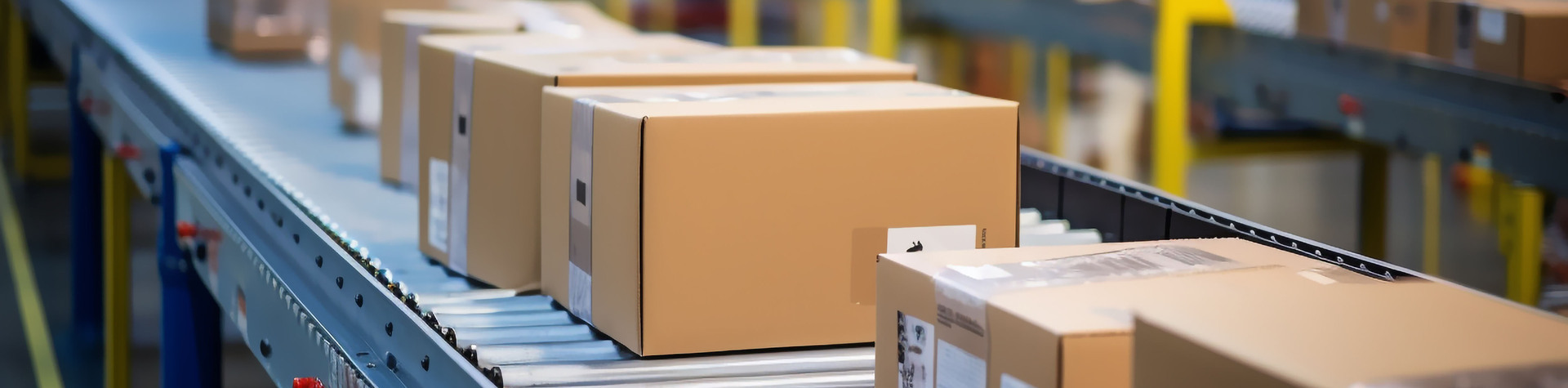
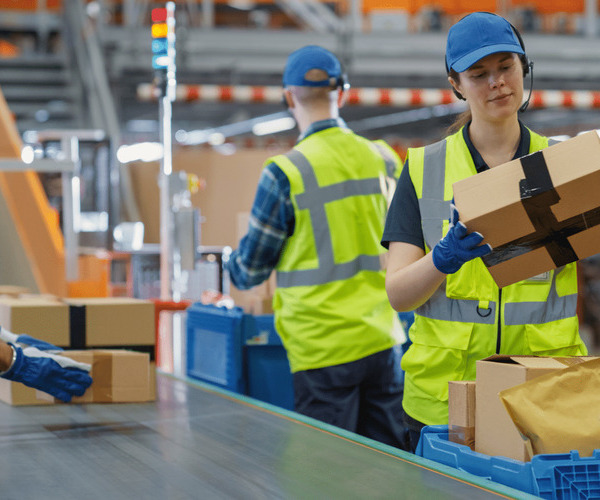
The process is built around movement, not around one fixed warehouse route. Items can enter the system through pickup, receiving, or a local address, then move into the right next step based on what the customer needs.
Products, returns, packages, letters, and documents can be received, checked, registered, routed, stored, forwarded, or delivered through a coordinated workflow designed to reduce waiting time and unnecessary handling.
HOW IT WORKS
Four Core Steps Behind the Logistics Flow
Pickup or Receive
Items enter the system through courier pickup, supplier handoff, customer return, or a local receiving address.
Check and Register
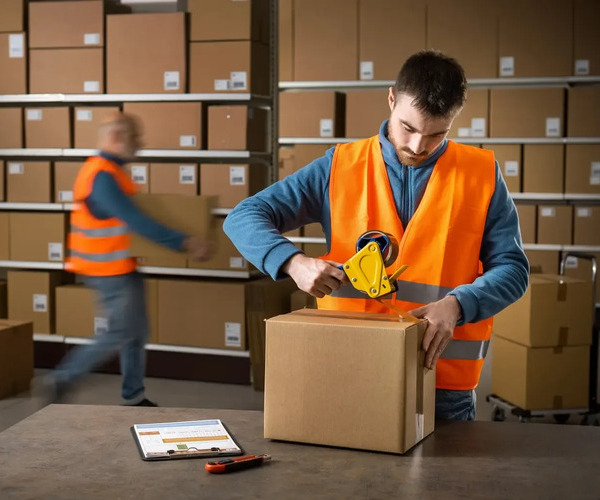
Products, returns, packages, mail, or documents are checked, recorded, and prepared for the next action.
Select the Route
Each item is directed to delivery, cross-docking, returns processing, storage, scanning, forwarding, or prep support.
WHY THIS WORKS
A Logistics Model That Avoids Unnecessary Waiting
Instead of forcing every shipment through the same warehouse-heavy process, the system routes each item according to its purpose, destination, and required handling.
CONTACT US CONTACT USGoods, returns, packages, mail, and documents enter the process through pickup, receiving, or a local address.
Items are checked or registered before being moved into the next logistics stage.
Each item follows the route that fits its task instead of being delayed by one fixed process.
Once the next step is clear, shipments continue toward delivery, forwarding, storage, resale, or preparation.
FLOW OPTIONS
Different Items Move Through Different Routes
Business Inventory
Products from sellers, suppliers, or storage points can move into receiving, outbound delivery, cross-docking, or fulfillment preparation.
Returned Goods
Returned items can be collected, checked, and routed back to resale, temporary holding, or reconditioning depending on condition.
Outbound Shipments
Orders can be transferred to customers, pickup points, transportation companies, or other delivery destinations.
Cross-Docking
Shipments can move from receiving directly into outbound transfer with minimal storage and reduced handling time.
Package Forwarding
Purchases delivered to a local address can be received, stored, consolidated, and forwarded internationally.
Mail and Documents
Letters and documents can be received, registered, scanned, stored, or forwarded based on the customer’s instructions.
SERVICE FLOW
One Process for Business and Individual Logistics
The workflow supports both commercial and personal needs. Businesses can use it for product intake, returns, outbound delivery, cross-docking, and FBA prep. Individuals can use it for package forwarding, mail access, document scanning, and international routing.
Each item is assigned the route that fits the task, whether it needs delivery, forwarding, storage, scanning, prep, or returns handling.
The model helps avoid repeated handling, long waiting periods, and unnecessary warehouse bottlenecks.
FAQ
Questions About the Logistics Flow
Learn how goods, returns, packages, mail, and documents move through pickup, receiving, checking, routing, forwarding, storage, and delivery.
See All FAQs See All FAQsNo. The process is based on coordinated receiving, routing, and movement rather than depending only on one central warehouse.
The main workflow is simple: receive or pick up the item, check or register it, choose the right route, and move it forward.
The process can support online stores, marketplace sellers, suppliers, international shoppers, expats, travelers, and remote customers.
Yes. Products can move into outbound delivery, cross-docking, customer delivery, pickup points, or transportation carrier transfer.
Yes. Returned products can be collected, checked, and routed back to resale, storage, or reconditioning depending on their condition.
From Intake to Movement
A Simple Flow Built Around the Right Next Step
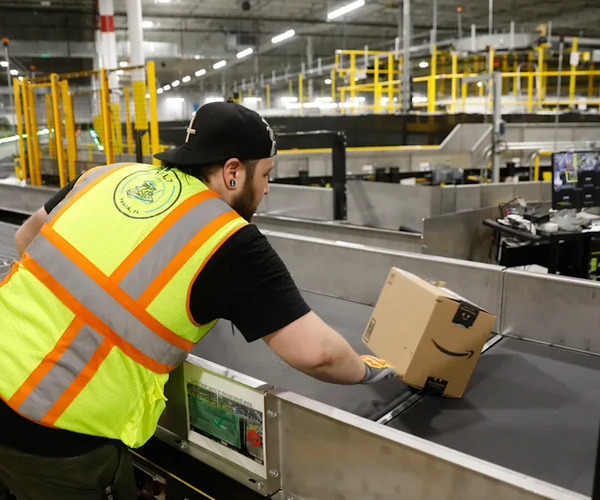
The process starts when goods, returns, packages, mail, or documents are received or picked up. From there, each item is checked, logged, and directed into the correct workflow instead of being forced through one fixed route.
Depending on the request, items can move to delivery, forwarding, temporary storage, scanning, preparation, reconditioning, cross-docking, or another service stage with a clear handoff.